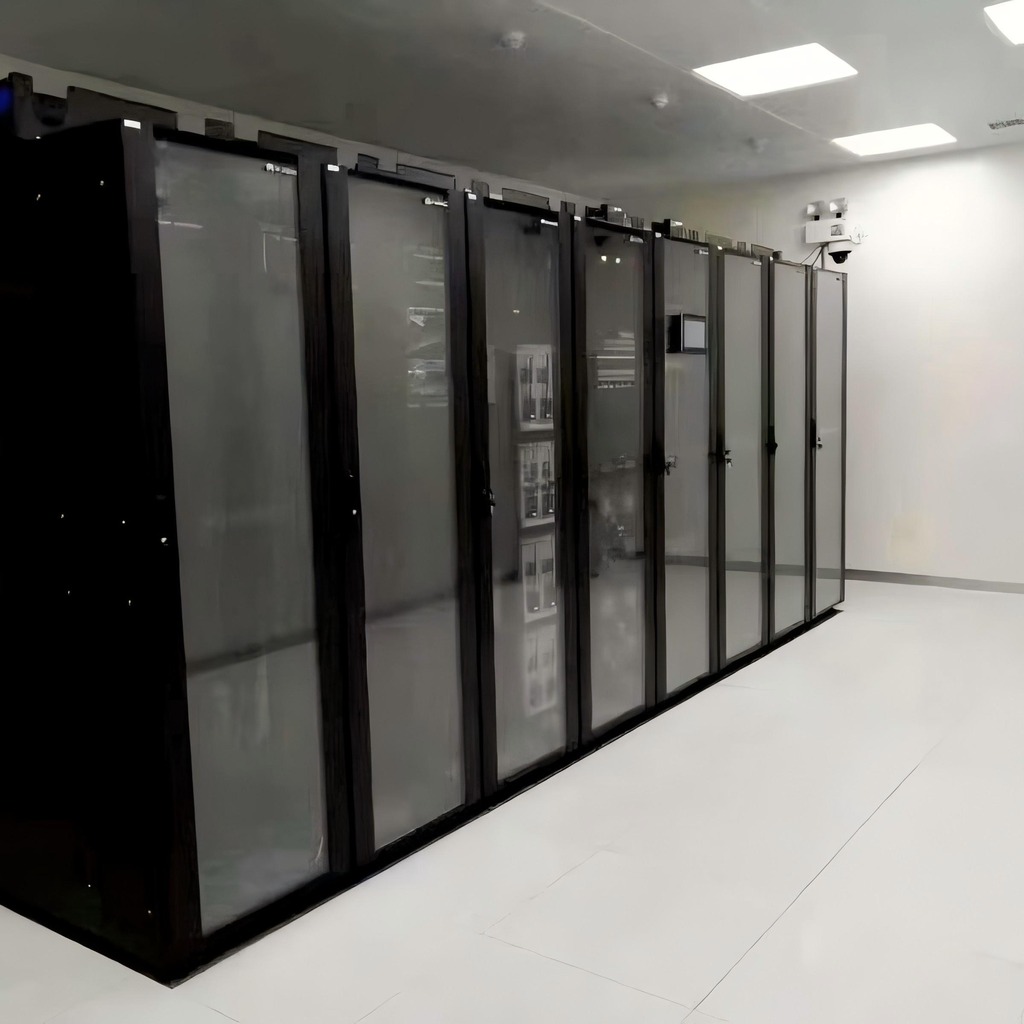
Most modular data center quotes look similar on page one and diverge sharply by page ten. The difference is rarely the container shell — it is how much of the electrical, cooling and fire-fighting scope is pre-integrated, tested and documented before the unit leaves the factory. This guide breaks down what actually moves the number in 2026, so overseas EPC contractors can compare proposals on equal terms.
What a modular data center price actually covers
A turnkey modular unit is not a container with racks inside it. A complete scope normally includes IT racks and hot-aisle containment, precision cooling, UPS and power distribution, fire detection and suppression, environmental monitoring, access control, structured cabling, and factory acceptance testing (FAT).
When one supplier quotes far below the market, one of those layers is usually missing — most often cooling redundancy, fire suppression, or the FAT documentation your end client will ask for at handover.
The five cost drivers that matter
- IT load per rack — moving from 8 kW to 20 kW per rack changes the cooling architecture, not just the number of fans.
- Redundancy level — N, N+1 or 2N on power and cooling can swing the electrical scope by a third.
- Cooling technology — room-level precision air conditioning, in-row cooling and liquid cooling sit in different price bands and suit different climates.
- Container specification — ISO marine container versus a custom enclosure, plus insulation and anti-corrosion coating for coastal or desert sites.
- Integration depth — factory-wired and tested versus flat-packed and assembled on site.
How the equipment budget typically splits
For a mid-size containerized unit built around AI inference workloads, the equipment budget usually concentrates in four blocks. The percentages below are planning benchmarks for early-stage budgeting, not quotations — actual shares move with redundancy, climate and rack density.
- Power: UPS, switchgear, busway and batteries — roughly 30–35% of equipment cost.
- Cooling and thermal management — roughly 20–25%, higher when liquid cooling is specified.
- IT infrastructure: racks, containment and cabling — roughly 15–20%.
- Fire suppression, monitoring and access control — roughly 8–12%.
- Container, integration, FAT and export packing — the remainder.
Two units with the same footprint can therefore differ by a wide margin without either supplier being dishonest. The scope is simply not the same.
Where overseas projects quietly overspend
- Freight and port handling — a 40-foot high-cube unit needs special handling, and inland transport in the destination country can exceed the ocean freight.
- On-site assembly — flat-packed units require civil works, licensed electricians and weeks of supervision that nobody budgeted for.
- Compliance re-work — missing certificates and test records force re-inspection at the destination port or site.
- Spare parts lead time — one non-standard cooling module can stall commissioning for weeks.
- Late design changes — changing rack density after the factory build starts is the single most expensive revision in the project.
How to compare two modular data center quotes
Ask every supplier for the same four documents before discussing price. A supplier who cannot produce them at tender stage will not produce them at handover either.
- A single-line scope matrix showing exactly what is included and what is excluded
- Electrical single-line diagram and cooling schematic for the proposed configuration
- FAT procedure and a sample FAT report from a previous project
- Spare parts list with lead times for the critical modules
Once those four are on the table, the price comparison becomes meaningful: you are comparing identical scopes rather than two different products with the same name.
Frequently asked questions
Is a modular data center cheaper than a brick-and-mortar server room?
Not always on equipment cost alone. The saving comes from schedule, civil works and site labour: a prefabricated unit is assembled and tested in a factory, so the project avoids months of on-site construction and the financing cost that comes with it.
How long does delivery normally take?
For a standard configuration with defined rack density, factory build and FAT typically run several weeks, with ocean freight added on top depending on destination. Custom cooling or unusual redundancy levels extend the factory phase.
Can the capacity be expanded after commissioning?
Yes, if the expansion was planned. Modular designs allow additional containers or additional power and cooling modules to be added later, provided the original design reserved space, busway capacity and cooling headroom.
What documentation should come with the unit?
At minimum: as-built drawings, FAT report, equipment certificates, commissioning checklist, operation and maintenance manual, and a spare parts list. For government or utility projects, add the test certificates required by the local authority.
Next step
If you are preparing a budget for an overseas AI or edge computing project, send us the rack count, target kW per rack, redundancy level and destination port. We will come back with a scope matrix and a budgetary figure built on the same assumptions — so you can compare it directly with the quotes already on your desk.
Related reading: AI computing and modular data center systems, modular server room and containerized data center, data center cooling and thermal management, and intelligent power distribution. For project-specific integration, see custom integration service.