Busbar Trunking & Cable Tray
Busbar trunking and cable tray supplied as one system, 100 A to 5000 A, with bends, tees and couplers.
Power has to get from the panel to the load along a route that can be inspected, tapped and extended. Trunking and tray are supplied as a system: straight lengths, bends, tees, reducers, couplers, hangers and covers, sized to the current and to the cable volume on that route.
How it is specified
- Busbar current rating, 100 A to 5000 A, and the tap-off boxes along the run
- Conductor material, copper or aluminium, and the insulation class
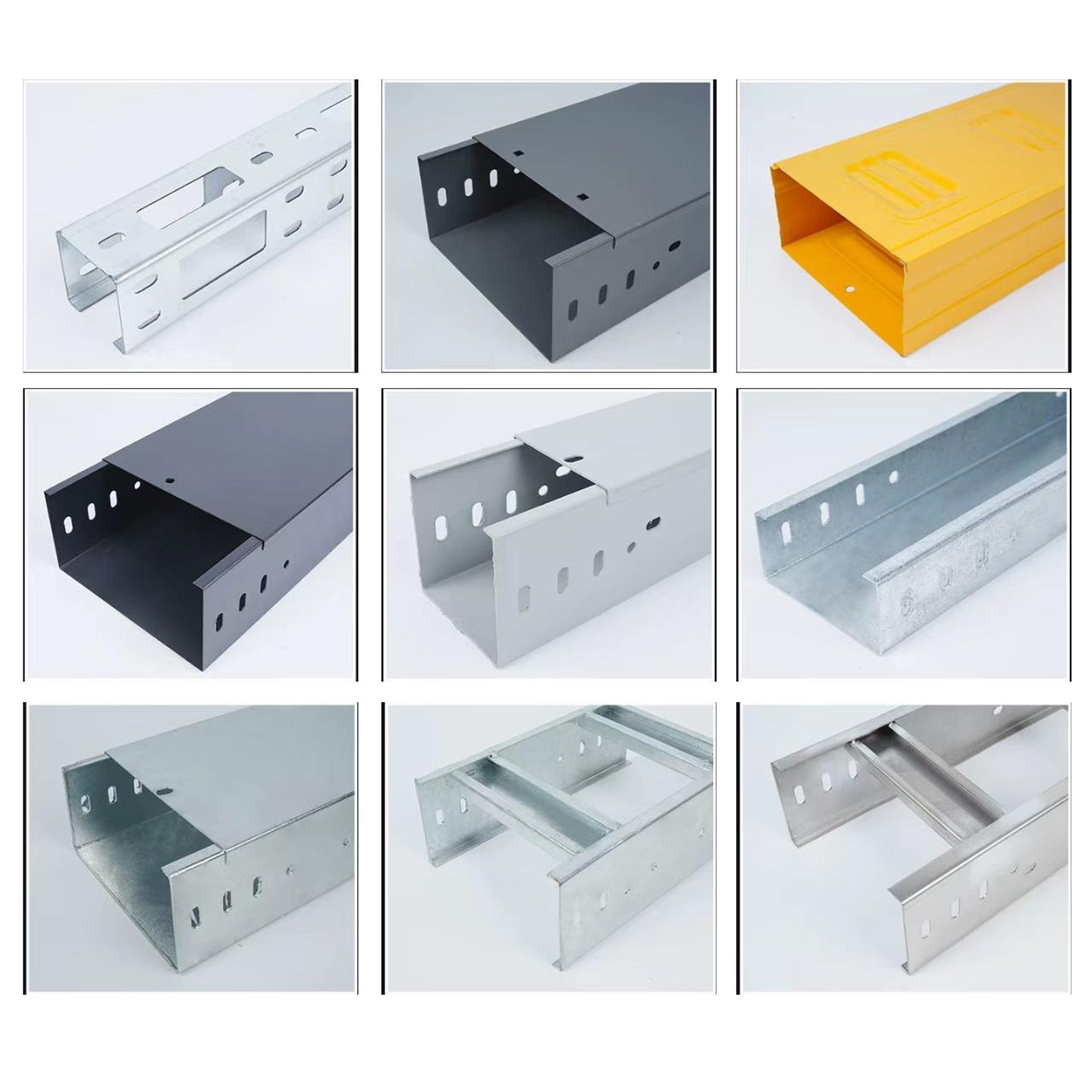
- Tray type: perforated, ladder, solid-bottom or wire mesh
- Finish: pre-galvanised, hot-dip galvanised, powder-coated or stainless
- Width, height and wall thickness against the cable fill
- IP40 to IP66 for enclosed trunking, with fire barrier where the route crosses a compartment
- Accessories: bends, tees, reducers, couplers, hangers and earth continuity
Where it is used
- Factory and workshop power distribution
- High-rise risers and plant rooms
- Data centres and server halls
- Cable routing in tunnels, car parks and outdoor yards
At a Glance
| Product Category | Electrical Distribution & Power System Series |
|---|
Other configurations in this range
- Busbar Connector and Tap-off Box — The joints and plug-in boxes that make a run continuous and let a circuit leave it, matched to the bar rating and the enclosure.
- Cable Ladder and Wire Mesh Tray — Open routes for heavy power cable and for data cabling, where ventilation and visibility matter more than enclosure.
How to choose
- Choose the current rating from the load, then the cross-section from the cable fill with space left for a later circuit: a tray filled to the cover runs hot and cannot be added to. Busbar trunking pays where tap-offs will change over the building’s life; tray pays where the route is fixed and the cables are known.