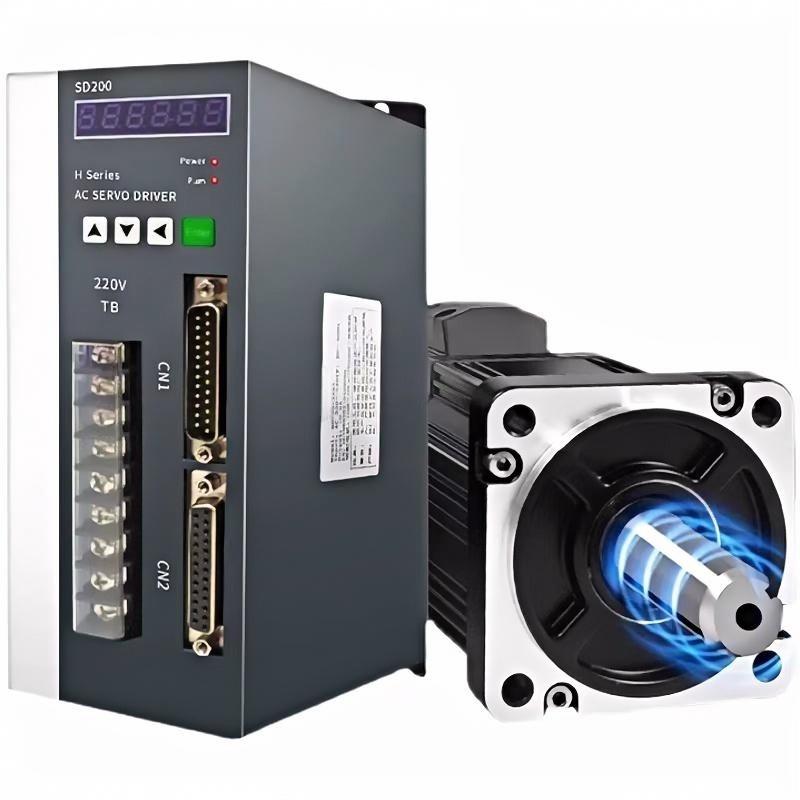
Servo Motor & Drive
Servo motor and drive system for precise position, speed and torque control with high dynamic response.
A servo is chosen when the machine has to arrive at a position and stay there. That means the loop closes on the motor shaft, and the encoder resolution and the drive bandwidth decide how quickly and how accurately it settles. Inertia matching between motor and load matters more than raw torque: an oversized motor on a light axis is harder to tune than a well-matched one. Brake, cable length and the fieldbus are usually the details that delay commissioning.
How it is specified
- Rated torque, peak torque and rated speed, and the inertia of the motor
- Low-inertia or high-inertia rotor, and whether a holding brake is fitted
- Encoder type and resolution: incremental, absolute, and the bit count
- Drive supply voltage and rated output current
- Control modes: position, velocity, torque, and the command source
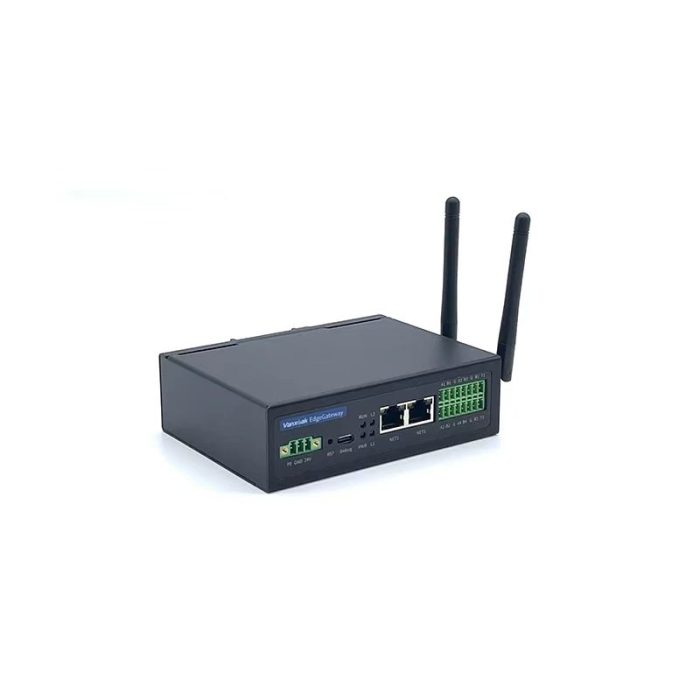
- Fieldbus or pulse control, and the interpolation mode expected
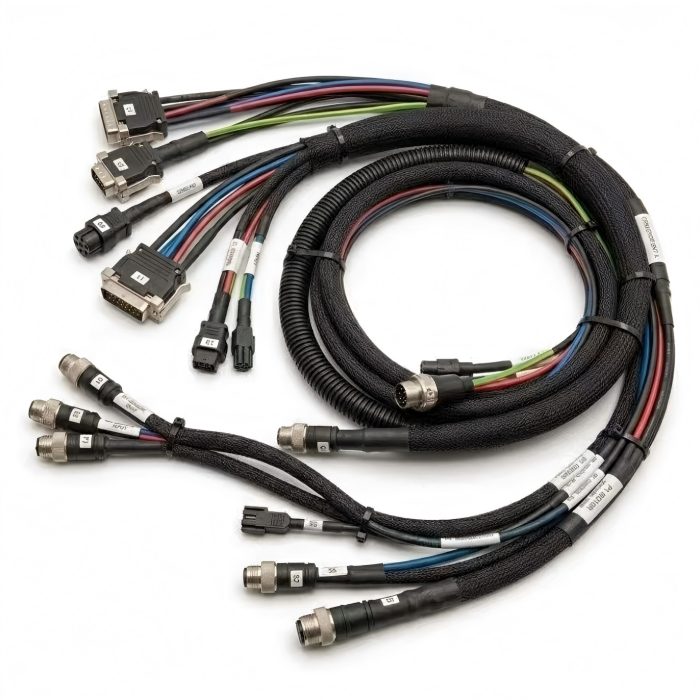
- Permitted cable length, and whether a shielded or extension cable is needed
- Protection rating and cooling, and the mounting orientation allowed
Where it is used
- Packaging and labelling machines
- Pick-and-place and robotic axes
- CNC, cutting and printing registration
- Winding, filling and assembly stations
At a Glance
| Product Category | Industrial Automation & Control Series |
|---|